Interface Evolutions Reshaping Strategic Choices in Mobile Poker Sessions and Reward Systems
Eden Schmidt · Nov 1, 2026
Interface Evolutions Reshaping Strategic Choices in Mobile Poker Sessions and Reward Systems
Developments in mobile poker interfaces have altered how players approach decisions during sessions while also influencing the structure of reward systems across platforms. These changes stem from refinements in touch controls, real-time data displays, and integrated notification systems that connect directly to player accounts and promotional mechanics.
Shifts in Session Navigation and Decision Timing
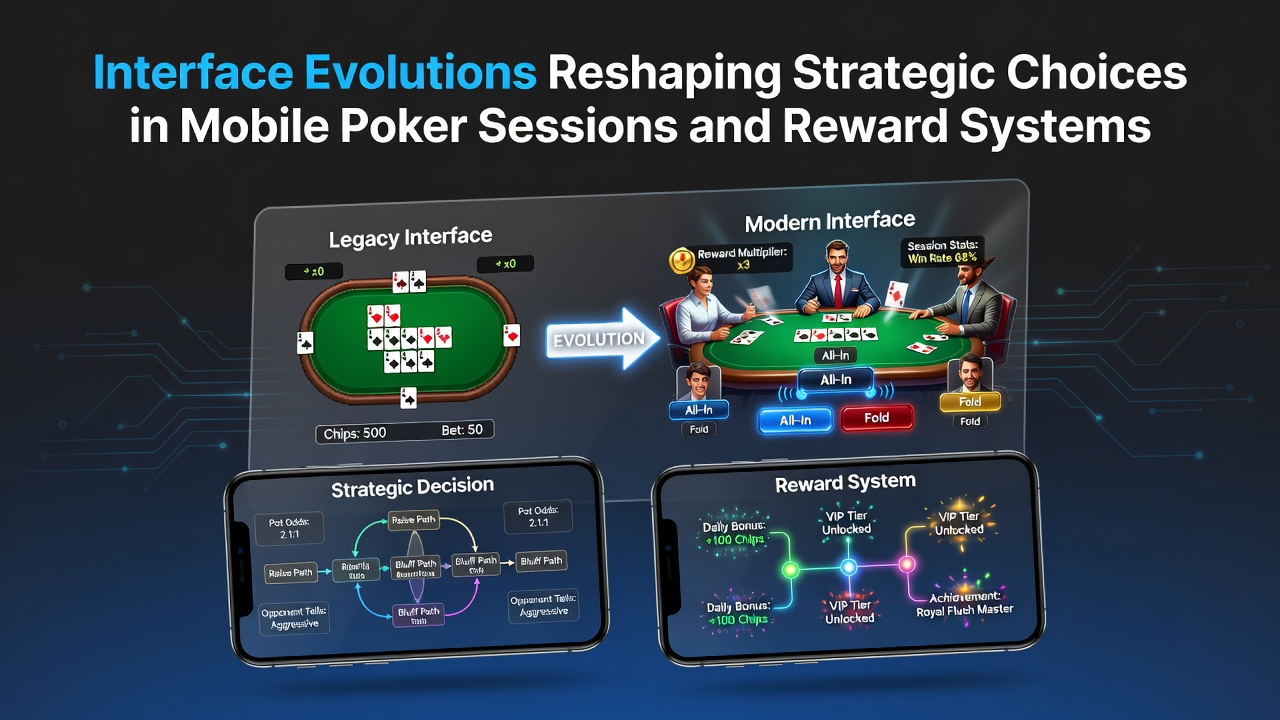
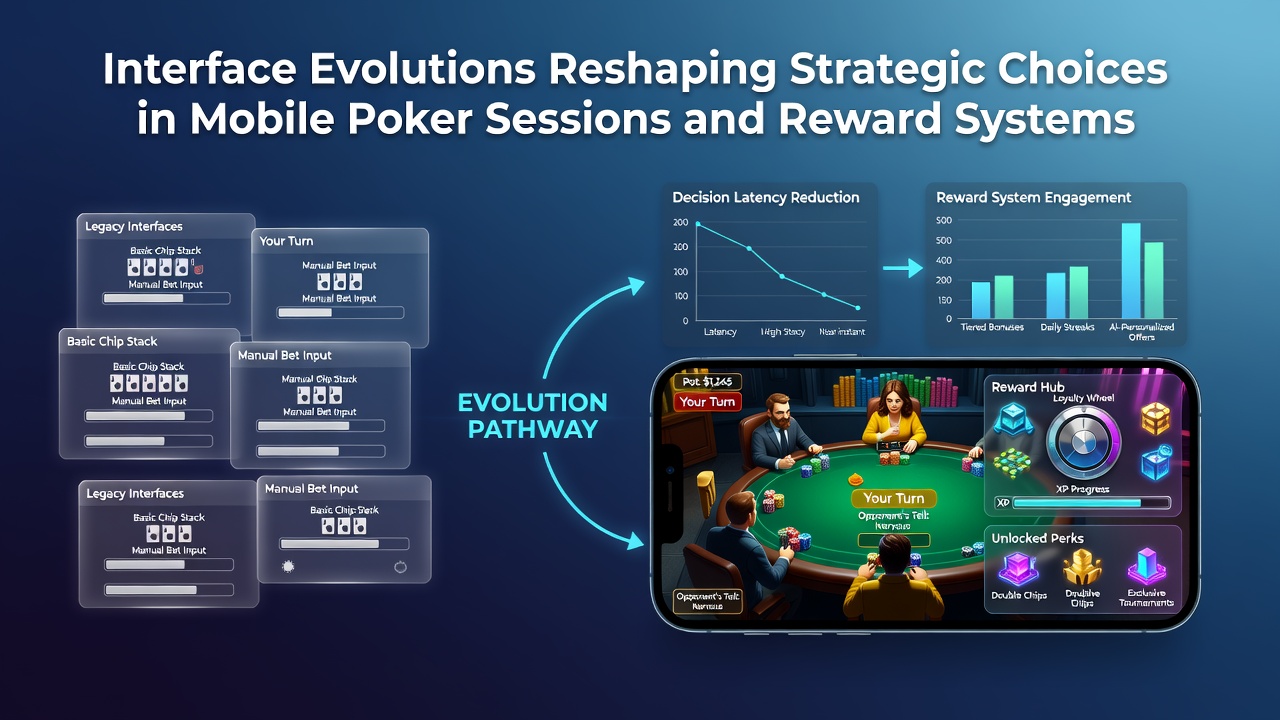
Interface updates in late 2026 have introduced swipe-based betting options and collapsible side panels that reduce the steps required to place raises or check folds during cash game rounds. Players now encounter streamlined layouts that consolidate stack information and pot odds into single-view screens, allowing quicker assessments while maintaining focus on multiple tables simultaneously. Data from industry reports shows that these modifications correlate with shorter average decision times per hand, particularly in formats where time banks remain limited.
Notification overlays that highlight reward progress have become standard, displaying loyalty point accumulation alongside active hand details without requiring users to switch screens. Such integration means participants adjust their session lengths based on visible thresholds for bonus unlocks, rather than relying solely on external tracking tools.
Real-Time Analytics and Strategic Adjustments
Enhanced heads-up displays now embed directly into mobile views, presenting opponent statistics and fold rates through expandable widgets that appear only when selected. This approach minimizes screen clutter while still supplying the metrics that inform pre-flop ranges and continuation bet sizing. Those who study usage patterns observe that players frequently toggle these tools during tournament stages when stack depths change rapidly.
Multi-window support on larger handheld devices permits simultaneous viewing of cash game tables and reward leaderboards, creating opportunities for participants to shift between high-variance strategies and conservative play depending on progress toward tiered incentives. Figures reveal increased session fragmentation, with users logging shorter but more frequent connections to align with daily reward reset cycles.
Reward System Integration Through Interface Design
Modern mobile applications link reward mechanics directly to interface elements such as progress bars and achievement pop-ups that trigger after specific hand counts or win streaks. These visual cues guide players toward promotional windows without disrupting core gameplay flow. According to a report from the European Gaming and Betting Association, synchronized reward displays have expanded participation rates in hybrid cash and tournament formats by aligning entry points with visible incentive milestones.
Deposit timing features now appear within account dashboards that update in real time, showing how funding routes affect eligibility for layered bonuses during portable sessions. Observers note that players monitor these indicators to optimize when they enter events, particularly when mobile-specific promotions require minimum hands played within defined periods.
Regional Variations in Interface Standards
Platforms operating under different regulatory frameworks have adapted their designs to meet local requirements while preserving core functionality. In regions overseen by the Malta Gaming Authority, interfaces emphasize clear separation between promotional content and active play areas to maintain compliance. Meanwhile, systems influenced by Canadian provincial standards incorporate additional verification prompts that appear at session start, affecting how quickly users reach reward activation points.
These adaptations influence strategic choices because interface prompts for verification or deposit confirmation can interrupt momentum during multi-tabling sequences. Research indicates that such interruptions lead some participants to consolidate their activity into fewer but longer sessions when reward thresholds demand continuous play.
Future Interface Developments and Player Adaptation
Emerging features under testing in November 2026 include gesture-based hand history reviews and predictive analytics panels that suggest range adjustments based on prior session data. These tools connect directly to reward algorithms, granting bonus multipliers when players demonstrate consistent engagement patterns detected through interface interactions.
Platforms continue refining accessibility options such as adjustable text sizes and color-coded alerts that accommodate varied device preferences. Such refinements support broader participation while maintaining the data flows that underpin both strategic decision-making and reward distribution.
Conclusion
Interface evolutions continue to link mobile poker session mechanics with reward system structures through tighter integration of controls, analytics, and progress indicators. Players respond by adapting timing, table selection, and session duration to capitalize on visible opportunities presented within the application environment. These patterns reflect ongoing adjustments across the sector as platforms refine designs to balance engagement, compliance, and operational efficiency.