Synchronizing Session Analytics with Layered Incentive Triggers Across Device-Linked Card Platforms
Ulrich Wolf · Sep 20, 2026
Synchronizing Session Analytics with Layered Incentive Triggers Across Device-Linked Card Platforms
Platform operators in the card gaming sector have expanded their use of session analytics to coordinate with multi-tiered incentive systems that activate based on user behavior across connected devices, and this coordination has become more precise as operators integrate cloud-based data streams in 2026.
Core Components of Session Analytics
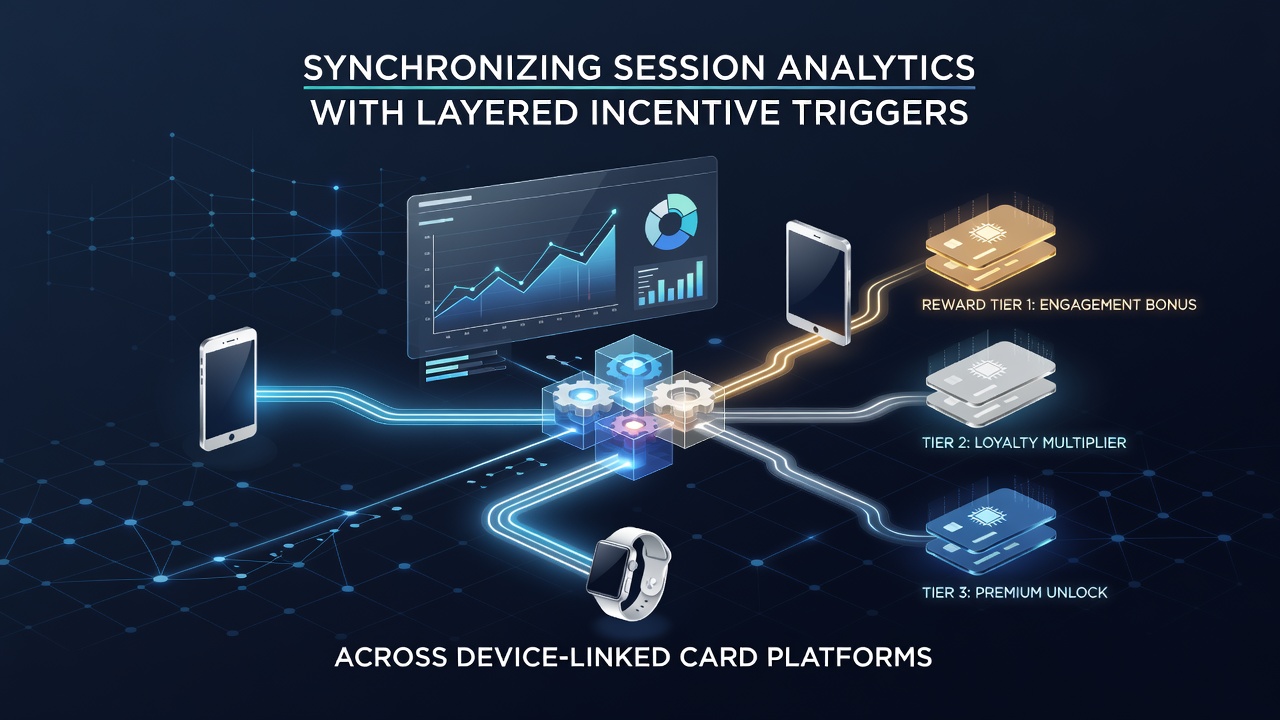
Session analytics capture metrics such as duration, bet frequency, device type, and interaction patterns during each active period, while these data points feed directly into decision engines that evaluate eligibility for rewards at different layers. Researchers at institutions tracking digital entertainment have documented how operators link these analytics to real-time thresholds, for example a player reaching a set number of hands in a mobile session might unlock an immediate bonus while continued play on a linked tablet extends the reward into a secondary tier involving cash-back percentages.
Data aggregation occurs through unique account identifiers that merge activity logs from smartphones, tablets, and desktops, allowing the system to recognize when a user switches devices mid-session without resetting progress toward incentive milestones. Operators report that this merging reduces friction because the analytics engine treats the entire sequence as one continuous record rather than isolated events.
Structure of Layered Incentive Triggers
Layered triggers operate on graduated criteria where the first layer might activate after a minimum deposit combined with session length, the second after sustained activity across two devices, and higher layers after cumulative metrics such as total rake generated over a calendar period. Each layer pulls from the same unified analytics pool so that progress in one device automatically updates eligibility on another, and this setup has been observed in multiple commercial deployments since early 2025.
Operators configure these layers through rule-based scripts that reference live session variables, and the scripts adjust thresholds dynamically when external factors such as tournament schedules or promotional calendars change. One documented approach uses conditional statements that escalate rewards only after the analytics confirm both time-on-device and cross-device continuity, thereby encouraging longer engagement without requiring separate logins.
Device-Linking Mechanisms and Data Flow
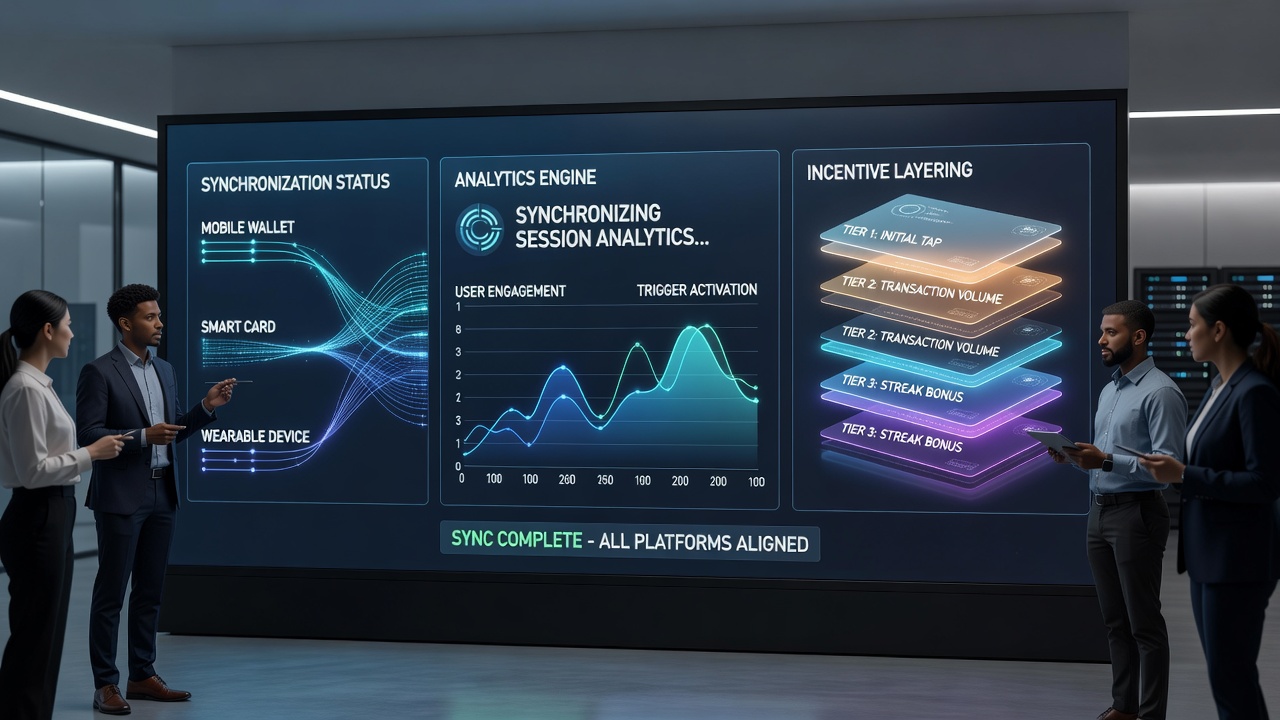
Device linking relies on secure token exchanges and account-level permissions that allow the analytics platform to maintain a persistent user graph across hardware, and synchronization happens through encrypted API calls that push session updates to a central repository every few seconds. When a user opens the same account on a second device, the system reconciles the active session record so that incentive counters continue without interruption, and this reconciliation has become standard in platforms serving international markets.
Technical documentation from industry implementations shows that latency in cross-device updates remains under two seconds in optimized environments, which prevents the kind of desynchronization that previously caused missed triggers. The process incorporates checksum validations to ensure data integrity during transfer between mobile networks and Wi-Fi connections.
Developments Observed in September 2026
During September 2026 several operators introduced refinements to their synchronization protocols that incorporated additional variables such as location-based session flags and battery-level indicators on mobile devices, and these additions allowed incentive engines to modulate reward delivery based on contextual analytics rather than raw counts alone. Figures from regulatory filings indicate increased adoption of these refined systems in regions with mature digital gaming frameworks.
According to information released by the Australian Communications and Media Authority, platform compliance reports submitted in the third quarter of 2026 highlighted measurable improvements in the accuracy of cross-device reward attribution after operators upgraded their analytics pipelines. Parallel updates in European markets referenced similar technical enhancements without altering core regulatory requirements.
Integration Challenges and Solutions
Challenges arise when network conditions interrupt the data flow between devices, yet operators mitigate these through local caching that queues analytics events until connectivity resumes, after which the central system reconciles queued data with ongoing sessions. Observers note that this caching approach preserves the integrity of layered triggers even during brief outages, and reconciliation algorithms prioritize time-stamped events to avoid duplicate reward activations.
Security protocols require end-to-end encryption for all analytics transmissions, and compliance teams conduct periodic audits to verify that device-linked records match declared user consents. Research conducted at North American academic centers has examined these audit procedures and reported consistent alignment between logged events and incentive outcomes when synchronization protocols follow established encryption standards.
Conclusion
The synchronization of session analytics with layered incentive triggers across device-linked card platforms continues to evolve through incremental technical upgrades that prioritize data continuity and rule precision. Operators maintain these systems by combining real-time metrics collection, secure device bridging, and graduated reward criteria that respond to unified user records. As platforms refine these processes in late 2026, the emphasis remains on maintaining accurate attribution while supporting seamless transitions between hardware environments.